

Please Forgive Me
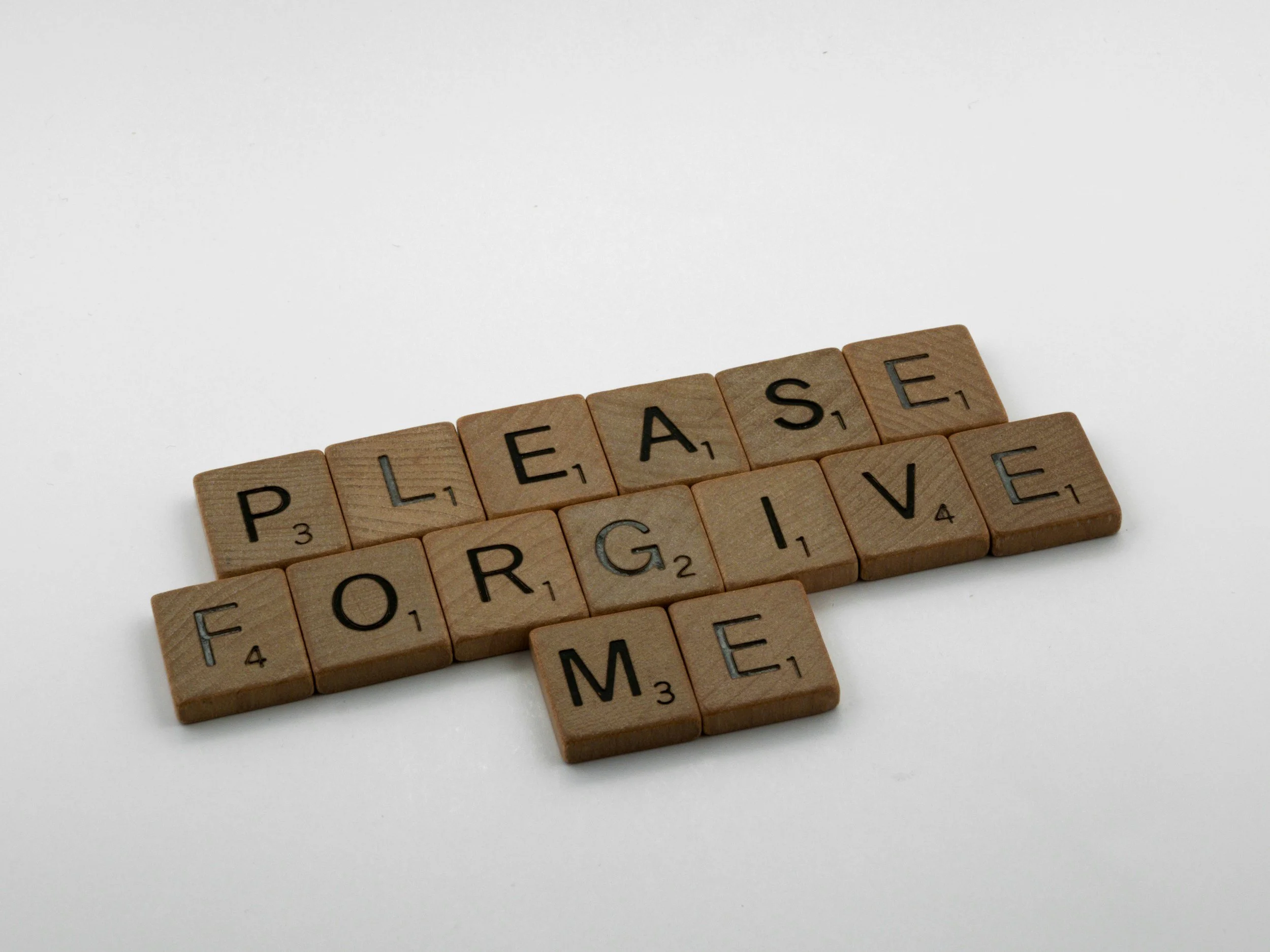
“There are two time to forgive: Now or later. “ ~~ Harry Uhane Jim
Forgiveness: a word that evokes a myriad of emotions and reactions. For some, it is a sign of weakness, a surrender to those who have wronged us. For others, it is a religious imperative, a moral obligation to pardon transgressions. And for many, it is a complex and often confusing concept, fraught with questions and uncertainties.
In today's world, where justice and accountability are often prioritized over compassion and understanding, forgiveness can seem like a radical act. We are encouraged to stand up for ourselves, to hold others accountable for their actions, and to avoid being taken advantage of. But what if forgiveness is not about weakness or surrender, but rather about strength, healing, and reclaiming our power?
The Hawaiian practice of Ho'oponopono, a powerful process for healing and reconciliation, offers a unique perspective on forgiveness. This practice, encapsulated in the mantra "I love you. I am sorry. Please forgive me. Thank you," guides us through four essential steps towards restoring balance and harmony, or getting pono, within ourselves and our relationships.
The phrase "Please Forgive Me," nestled in the heart of this mantra, represents a crucial stage in the Ho'oponopono process. It is a humble plea for understanding and compassion, an acknowledgment of our imperfections and the impact of our actions on others. It is a step towards releasing the burdens of the past and creating a space for healing and renewal, both within ourselves and in our connections with others.
Understanding Forgiveness
Forgiveness is not a one-size-fits-all concept; it is a multifaceted journey that encompasses various dimensions:
Forgiving Others:
Forgiving others, especially those who have deeply hurt us, can be one of the most challenging yet liberating acts of the human spirit. Forgiveness requires releasing the grip of resentment, anger, and bitterness, choosing to see the other person with compassion and understanding, even in the face of their imperfections.
Forgiving others does not mean condoning their actions or forgetting the pain they caused. Instead, forgiveness involves recognizing their humanity, acknowledging their own struggles and limitations, and choosing to release the burden of negativity that weighs us down.
Forgiving Ourselves:
Often, the most challenging person to forgive is ourselves. We may hold onto guilt, shame, or regret for past mistakes, preventing us from moving forward and experiencing the fullness of getting pono. Self-forgiveness is about recognizing that we are all human, capable of making mistakes, and that our imperfections are not a reflection of our worthiness, but rather opportunities for growth and learning.
Seeking Forgiveness:
Asking for forgiveness requires vulnerability and courage. This involves acknowledging the harm we have caused, expressing sincere remorse, and taking steps to make amends. Asking for forgiveness is not about seeking absolution or escaping accountability. Rather, it centers around taking ownership of our actions and demonstrating our commitment to change and reconciliation.
The Barriers to Forgiveness: Unveiling the Obstacles
The path to forgiveness is not always smooth. There are often obstacles that hinder our ability to let go of resentment, anger, and hurt. These obstacles can stem from:
Pride and Ego: Our ego, with its need to be right and in control, can create a barrier to forgiveness. We may cling to our anger or resentment as a way to protect ourselves or maintain a sense of power.
Fear of Vulnerability: Asking for forgiveness or forgiving others can feel vulnerable. We may fear that by letting go of our anger, we will become weak or susceptible to further hurt.
The Need for Justice or Retribution: We may feel that forgiveness is unfair or unjust, especially if the other person has not been held accountable for their actions. We may crave retribution or punishment, believing that this is the only way to achieve closure or healing.
Unresolved Trauma: Past traumas can create deep emotional wounds that make it difficult to forgive. We may need to address these underlying traumas through therapy or other healing modalities before we can fully embrace forgiveness.
Lack of Self-Compassion: We may judge ourselves harshly for our mistakes, making it difficult to extend forgiveness to ourselves. Cultivating self-compassion is essential for releasing self-blame and embracing our own humanity.
Transforming Ourselves and Our Relationships
Forgiveness is not just a noble ideal; it is a powerful force for healing and transformation. When we choose to forgive, we release the grip of negativity that can poison our hearts and minds. We create space for peace, joy, and connection to flourish.
The benefits of forgiveness are numerous:
Releasing Resentment and Anger: Forgiveness allows us to let go of the anger, resentment, and bitterness that can weigh us down and keep us trapped in the past. This is also where many of our physical ailments originate. By releasing these negative emotions, we free ourselves to experience greater peace and joy in the present moment.
Cultivating Inner Peace and Emotional Freedom: Forgiveness is an act of self liberation. When we forgive, we release ourselves from the emotional burden of carrying anger, resentment, and hurt. We create space for inner peace, emotional freedom, and a deeper connection to our authentic selves.
Healing Relationships and Fostering Connection: Forgiveness is essential for healing broken relationships and fostering deeper connections with others. When we forgive, we open the door to reconciliation, understanding, and compassion. We create a space for empathy and vulnerability to flourish, strengthening our bonds with others.
Promoting Physical and Mental Well-being: Studies have shown that forgiveness is linked to improved physical and mental health. Forgiveness can reduce stress, lower blood pressure, improve sleep quality, and boost our immune system. It can also help us to overcome anxiety, depression, and other mental health challenges.
Creating a More Compassionate and Forgiving World: When we practice forgiveness in our own lives, we contribute to a more compassionate and forgiving world. We become role models for others, inspiring them to embrace forgiveness as a path to healing and transformation.
Cultivating Forgiveness: Practices for Letting Go
Forgiveness is not always easy. It requires courage, vulnerability, and a willingness to challenge our own ego's defenses. But with practice and intention, we can cultivate forgiveness in our hearts and extend it to ourselves and others.
Here are a few practices that can support us on this journey:
Mindfulness and Meditation: Mindfulness, the practice of paying attention to the present moment without judgment, can help us to become more aware of our thoughts, emotions, and sensations. By cultivating present moment awareness, we can observe our anger, resentment, and hurt without getting carried away by them. We can notice how these emotions affect our bodies, our minds, and our relationships. And we can choose to respond with compassion and understanding, rather than react with judgment and blame.
Empathy and Compassion Practices: Empathy, the ability to understand and share the feelings of others, is essential for forgiveness. By putting ourselves in the shoes of the other person, we can begin to see their perspective, their struggles, and their humanity. This understanding can open our hearts to compassion and make it easier to forgive.
Journaling and Self-Reflection: Journaling can be a valuable tool for exploring our emotions, understanding our triggers, and identifying the root causes of our resentment or anger. By writing down our thoughts and feelings, we can gain clarity and perspective, making it easier to let go and forgive.
Ho'oponopono: The Hawaiian practice of Ho'oponopono offers a powerful framework for forgiveness and reconciliation. By repeating the phrases "I love you," "I am sorry," "Please forgive me," and "Thank you," we can begin to heal our relationships with ourselves and others, creating space for greater harmony in our lives.
Seeking Support from Therapists or Spiritual Counselors: Sometimes, we need the support of a therapist, counselor, or spiritual advisor to help us navigate the complexities of forgiveness. These professionals can provide a safe and supportive space for us to explore our emotions, challenge our limiting beliefs, and develop healthy coping mechanisms.
Living in Harmony with Ourselves and Others
Forgiveness is not just a personal practice; it paves the path to get pono, to a life of balance and harmony within ourselves and in our relationships with others. When we forgive, we release the negativity that can create disharmony and conflict. We open our hearts to compassion, understanding, and connection.
Ho’oponopono is a lifelong practice, and forgiveness is an essential part of that journey. By embracing forgiveness, we cultivate inner peace, heal our relationships, and contribute to a more compassionate and harmonious world.
In the words of Nelson Mandela, "As I walked out the door toward the gate that would lead to my freedom, I knew if I didn't leave my bitterness and hatred behind, I'd still be in prison." May we all find the courage to release the burdens of the past, to embrace the healing power of forgiveness, and to step into the freedom and pono that await us.
Your soul already knows the next step. Allow yourself the space to explore these teachings through my books, receive personal guidance in a private consultation, or immerse yourself in the sacred energy of Hawaii at an upcoming spiritual gathering.